*This post was originally written July 19, 2018
_____________________________
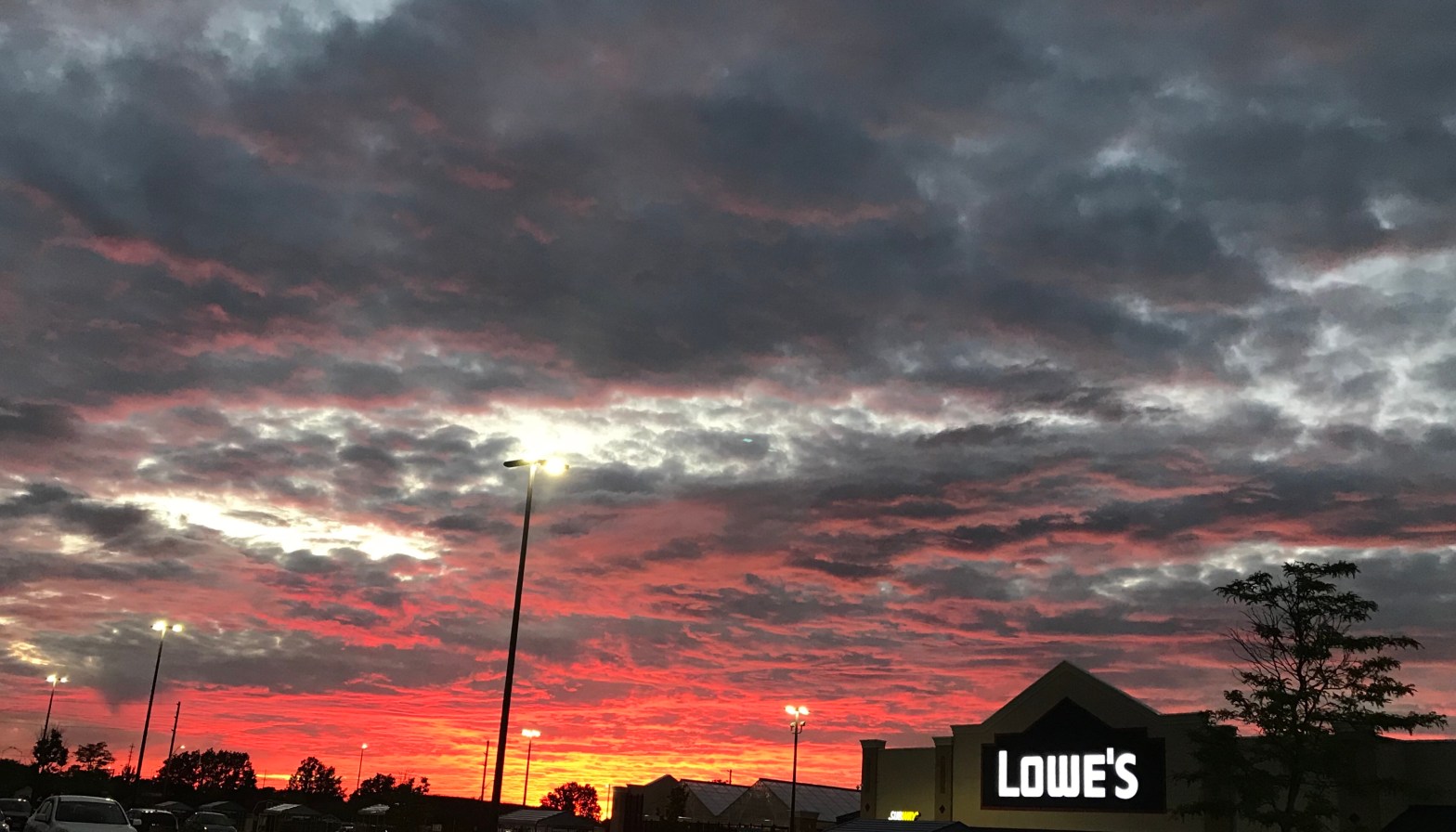
Brownie points to those who got the Supernatural reference…
Also, the extent of the road has been my driveway. Or to and from the mechanic and hardware stores if we want to be technical.
As I wait for a fresh coat of paint to dry on the cargo’s interior I thought this would be the perfect time to contribute to my documentation of the process. My priority right now is to get the van build done. But I figure if I wait till I’m done to chronicle each stage in the process, I’ll more than likely forget crucial details. This way I control my anxiety levels which invariably rise when I feel like I am not accomplishing anything and I can use my down time productively. Win/ win. Plus, it gets exhausting to be doing that kind of physical labour all day every day. Balance is key.
You know when people are bored and compare it to watching grass grow or paint dry? This is me. Watching paint dry. Quite literally. Blogging it is.
So, in this post I want to cover some of the things you don’t think about when committing to a van build. Some of the things that popped up unexpectedly, that I haven’t seen addressed on many other blogs, or that took more time than I thought. The road to the van build and what is done from the moment you bring your new van home to the moment you finally begin work on her!
Naming Your Van: Making It Feel Like Your Own
Obviously – this step is optional. It may sound silly, after all – it’s a VAN. But it’s also more than that. My van will be my home, my shelter, my protection, and my companion on the road. You might have a name picked out before you even buy your van. If you’re like me, it will take a while to decide – it took me two months after buying my van to settle on a name. I had to get to know my van first. Initially, I thought it would be a girl’s name. Girl power and all that! But as time passed I realized that my van felt more like a male. And that feels right to me. After all, while part of solo van life for me is about proving to myself that I can do anything on my own – and there is a level of feminism in it for me, I believe that feminism is synonymous with EQUALITY.
The naming stage was not just about naming, but getting to know my van. That included what shape he was in physically, getting serviced, and doing ongoing maintenance. It was also about transitioning to being the new owner. And I don’t mean just on paper. It took a while to really feel like this was my van. To feel like the previous owners and dealership no longer laid claim to it.
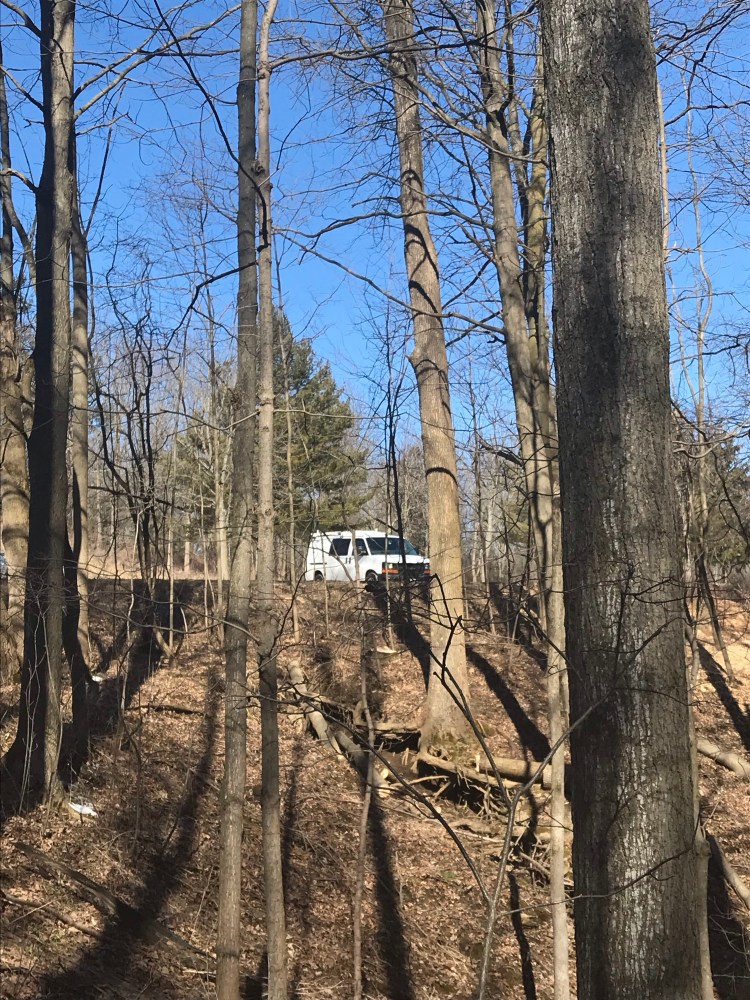
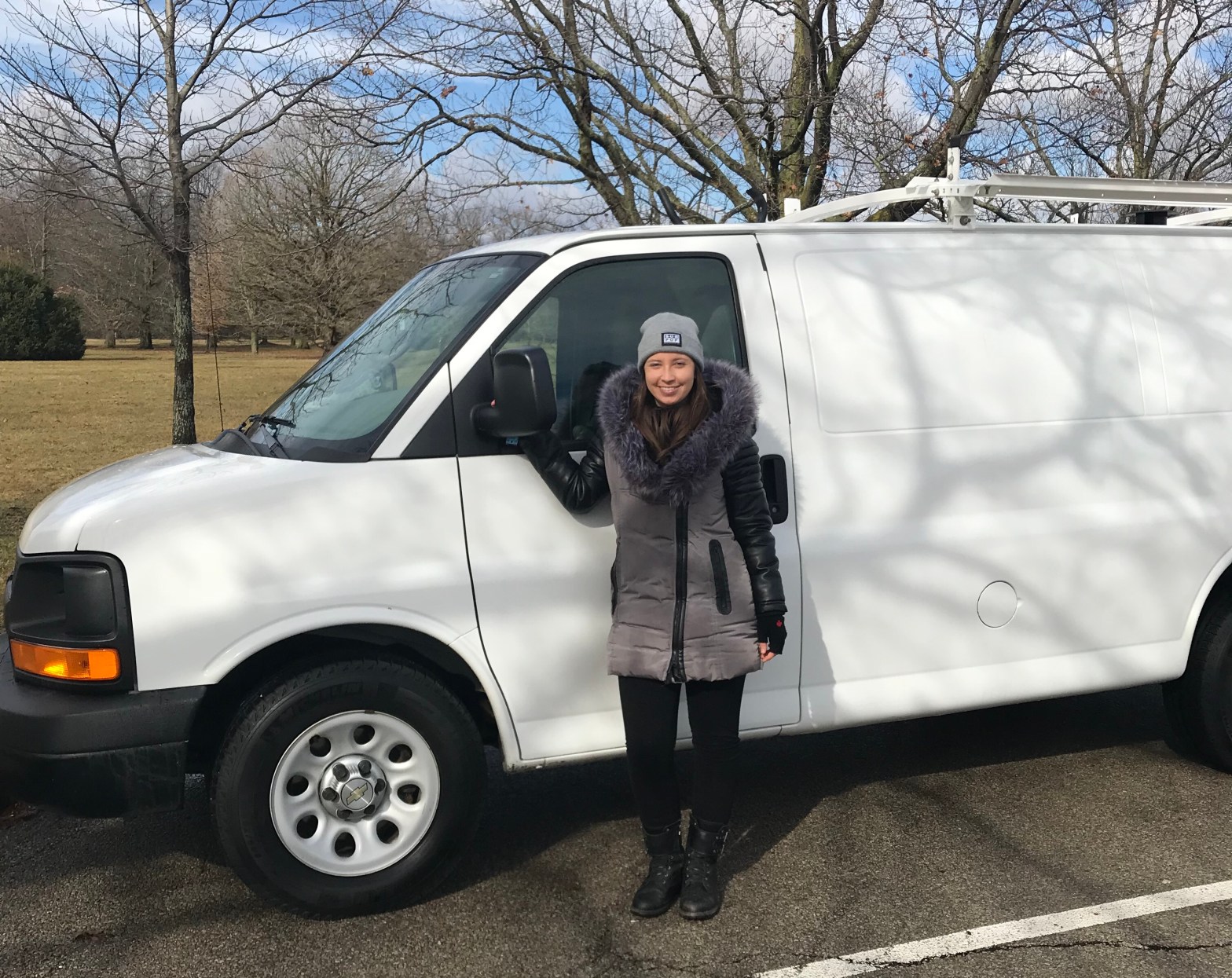
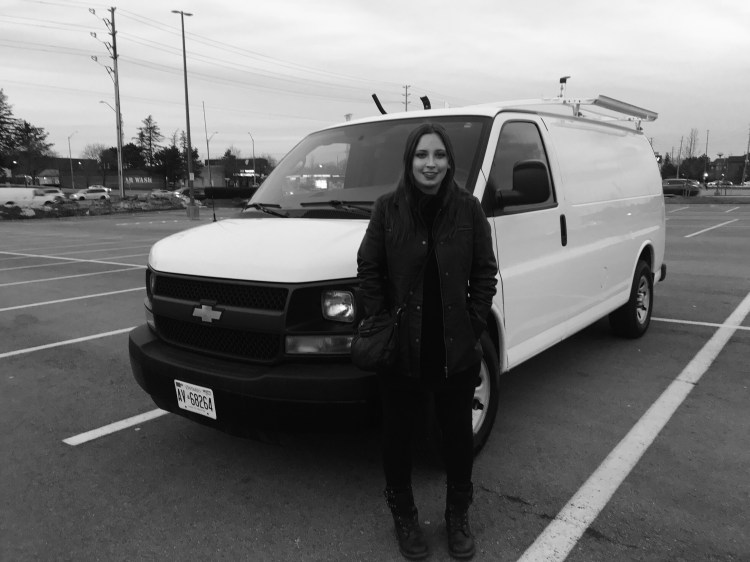
After two months, I finally felt like this van was MY van. Meet Strider.
Insurance: Commercial or Rv? How Modifications and Travel Can Complicate Things
After buying the van, I could not bring him home until I had insurance. This was an aspect of the process that I did not foresee being so painstakingly excruciating. It took a few weeks for me to get coverage. Yup. Weeks. Why?
From what I’d read and from those van lifers I’d contacted in the states (where most of my research sources were from) – most people doing van life have regular personal auto insurance. I live in Ontario and apparently we have hoops to jump through.
Some companies simply do not cover “commercial” vehicles. While I would be using my Chevy Express for personal use, the manufacturer classifies this van as a commercial vehicle. You get into some bureaucratic semantics here. I even have commercial plates and according to Service Ontario I cannot have personal plates – instead I have to get a red sticker to put on my plates along with my registration stickers. This is the same for big trucks.
I ran into several insurance agents who seemed to think I was trying to pull some sort of fraud, too. A young, single female wanting to insure a typically commercial vehicle for personal use? No way!
Some told me I should get RV coverage, but upon speaking with an RV insurer and doing my own research I learned that you have to meet specific criteria to be classified as an RV (think stove, toilet, fridge, shower, heater, plumbing, etc.) and I was keeping my conversion basic.
Sidenote: many people plan their conversions with these RV specifications in mind because registering and insuring as an RV is cheaper. As an RV you will also be allowed into “RV only” campgrounds. On the flip side, remaining registered as a commercial vehicle with commercial plates may boost your stealth factor in the wild of the concrete jungle as people will assume you are a contractor or business – less likely to assume you are living in your van! So the decision of how to register your van has several implications. Personally I think the Ontario system is wonky as it caused major headaches and I wish I could just register with personal use plates, but it is what it is and I’ll take the stealth factor.
So when I went back to personal auto insurance, I either had people telling me they don’t cover “RVs” (my conversion van was in a grey area that confused them) or they immediately declined me because of the horror that is “modifications” in the insurance world. Apparently travel out of the country was another risk factor.
After running around like a chicken with its head cut off I finally found a broker who worked some magic. Personal auto insurance with mods on the contract. I just have to send them copies of receipts and pictures once I finish the conversion.
It’s important to mention that I also spoke with some people who outright advised me to not tell insurers about the modifications. My advise: be honest. If you make a claim and they see modifications on the vehicle that you did not tell them about they can deny your claim. It’s a big risk.
I got to the point in the insurance process where I felt like I would never find a solution. But know that you cannot be denied auto insurance. If voluntary/ private market insurers reject you, try non-standard auto insurance. Your last resort would be “high risk” insurance (residual market) or Facility Association – luckily I was determined and did not have to resort to more expensive options.
Another consideration is where your insurance will cover you. If you’re planning a trip throughout North America, most companies will cover you in Canada and the US (up to 6 months or the alotted time you can visit as a tourist and without a VISA), but you will need separate insurance to drive in Mexico.
Vehicle Maintenance: Adjustment, History, Repairs, Upkeep, New Tires
This is where I got into the nitty gritty of Strider’s history, feeling comfortable with him, and determining my own maintenance regime.
I suppose the very first aspect here was getting comfortable driving a big cargo van. I used to drive a Honda Civic, so this was an adjustment.
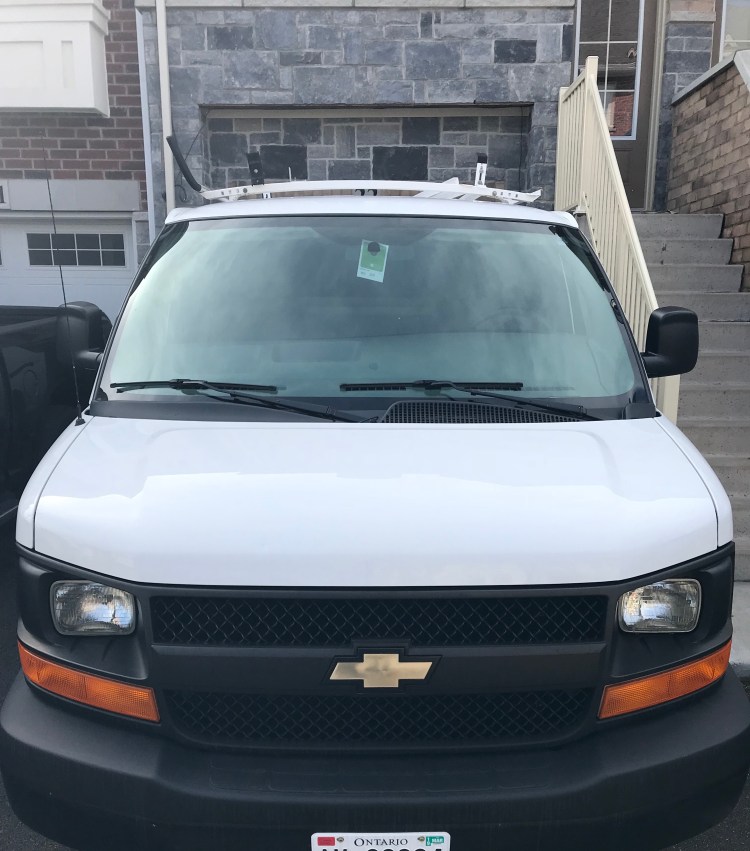
Strider did not come with a detailed service history, other than what showed up on the Car History when I bought him. So I knew when a new owner took over, when registrations took place, and when the van was serviced – but no details of exactly what was done. Luckily, one of the past owners had written dates and details of servicing (like brake repair) on the driver side sun visor…
A few repairs had been required from the dealership as part of the conditional sale and I also got those repairs double checked by the mechanic who’d done my pre-purchase inspection. Other than a cheap oil filter, Strider got the thumbs up (phew)!
I also did not have a manual for my van and had to order one online. I combed through the manual and got to know my van better. I made a schedule of when certain components would need to be replaced, when I would need to get serviced again, and maintenance I could do and when.
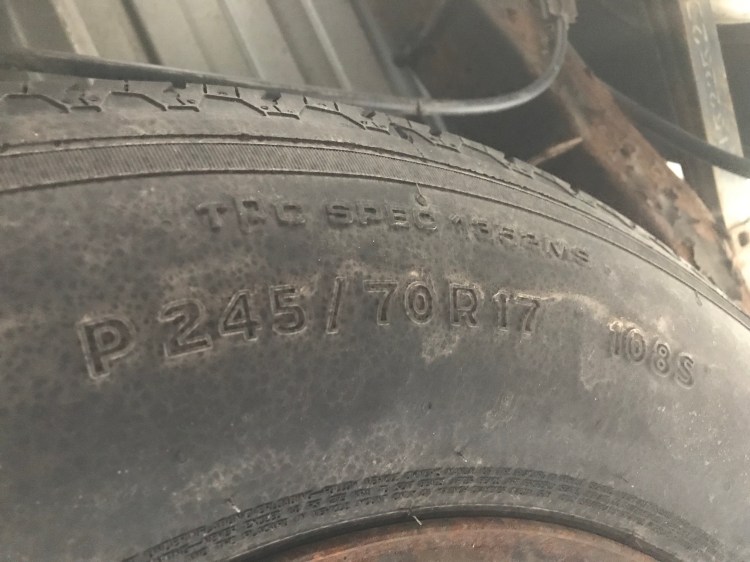
I have to say – I am learning quite a lot. From checking the oil, changing windshield wipers, how to properly wash, wax, and seal paint, monitoring tire pressure and adding air, reading tire sidewalls, and more. Some of these things may seem like common sense, but I was never taught any of it and it feels good when you take the initiative to teach yourself.
Strider only had winter tires when I got him so I researched and invested in a new set for foreseeable excursions down south, into deserts, along forest roads, and on highways. This was a big decision. While my OEM tires were passenger tires I decided to go with LT (light truck) tires for a tougher sidewall. Passenger tires are good for city driving, but LTs are more durable, used for heavier loads, off road, towing, have deeper tread, better tread wear on gravel, and a thicker sidewall. This was my compromise between passenger all seasons and all terrains. I see many vans with all terrain tires, but I knew I would be doing a lot of highway driving and was concerned about road noise and a rougher ride. I knew I would also see some rougher terrain on occasion and did not want to leave Strider vulnerable to a flat, so the LT All Seasons seemed like a good middle man.
Life Goes On: Time Management, Cutting Yourself Slack, Take Things In Stride
As ambitious as this project is and as high as my expectations are of myself, it’s important to be realistic and cut yourself some slack along the way.
It seems like it’s been forever since I brought Strider home, and sometimes I feel like I haven’t accomplished enough in that time. But life goes on. By this I mean two things.
First, everyone works in their own time and has their own process. I’ve learned that I am a perfectionist and this can be time consuming. All I can do is vow to better myself in this regard (I guess that qualifies as perfecting perfectionism… didn’t mean to bring that to the next level…). It’s hard not to compare myself to the pros on Instagram who convert a van in the span of a single week. But usually, they are the ones who’ve done it before, have a background in construction, and/or have other people to help them! I am working on this completely alone. And that’s the way I want it – I want to finish this project and be able to say that I did it all on my own (with some exceptions of asking a few people for advise or taking the van to a professional if needed)! I have absolutely no background in construction – so I have to learn as I go, which adds time to the process as some days are spent behind the computer watching how-to YouTube videos, perusing manuals, or trying to make an informed decision about what kind of material I should use. I’ve never done something like this before, so there is a learning curve.
Second, life goes on – as in there are other aspects of my life that require attention. I am not and can not put all of my time into this. In an ideal world, yes, but a healthy life is one of balance. Sleep, exercise, food, self-care, health, socialization, personal issues, errands, etc. Taking on a project of this magnitude really makes you realize that there are rarely enough hours in the day! It teaches you about time management, discipline, motivation, determination, perspective, balance, boundaries, and especially how to take curve balls in stride!
PS: Part of why I named my van Strider was inspired by LOTR’s Aragorn – the lone ranger, warrior, and loyal protector. But maybe it also resonates with taking life in stride. We cannot control everything. There will always be unexpected factors. We can only control how we react to these things. Going with the flow. Taking it in stride. These are much healthier alternatives to the anxiety and overwhelm I am susceptible to. And on that note…
Research: Blueprint, Vanlifer Resources, Decision Making, Learning
Once I felt comfortable with my van and that all vehicle maintenance had been taken care of, it was time to prepare for the conversion. I spent a lot more time researching the process than I’d expected.
Since I’d been gradually accumulating vanlife pages to my “follow” list on social media, I had a few favourites and used their blogs as resources to wrap my head around what it was that I was about to do.
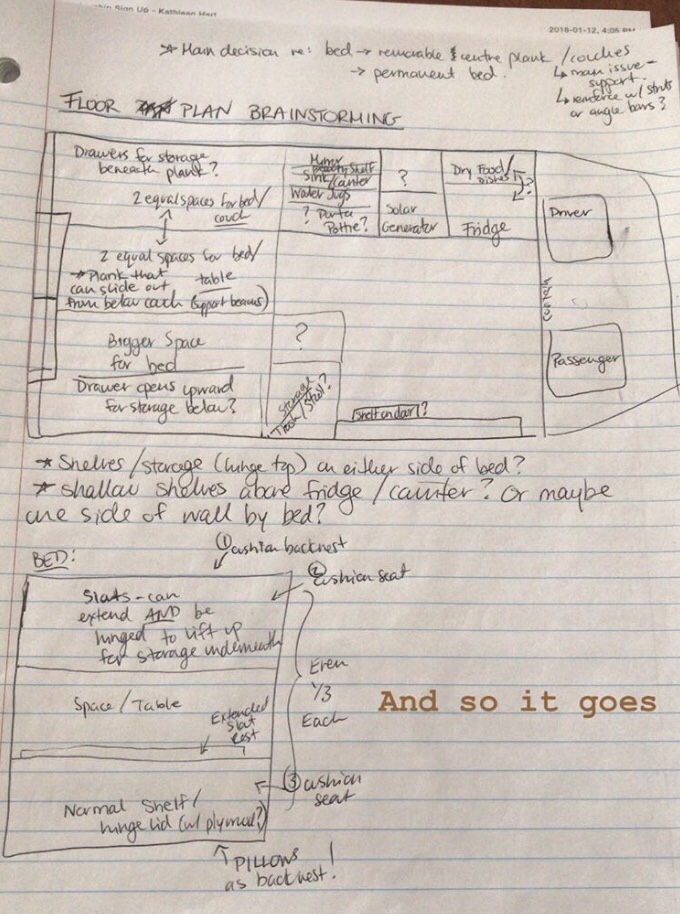
First, I wanted to figure out my blueprint. With only 60 sq/ft to work with, you’d think it would be an easy decision, but alas, it was not. Did I want a permanent bed or a pull out couch? Sink or no sink? How would I even out the weight distribution? There were times when I would have to snap myself out of a trance as I internally struggled to plan the perfect campervan interior.
Instagram. Instagram. Instagram. Just search #VanLife and you will have a sea of photos to sift through for inspiration! Though at this point I’m not sure if having so many options helps or hinders the decision-making process…
Here are some of my favourite vanlifers, their pages and how I used them:
- The Vanual: Zach Both’s website is a staple for anyone getting into vanlife. It is organized, easy to follow, and covers pretty much everything. I read every page and clicked on every link. It was my starting point for figuring out my own process. It goes over all the steps he took and links to supplies used. Check out his instagram for pro photography.
- Spin The Globe Project: Anna French was the first person who made me feel like doing vanlife solo wasn’t such a crazy, inconceivable idea. Her linked website has a great post about a budget friendly conversion, which also includes a list of supplies used. Her website also has a shop and talks about many other forms of travel – it’s really well rounded and not just for the vanlife traveller. Her instagram depicts worldly photos with captions that capture the deeper meaning of travel.
- Gnomad Home: This was possibly the most comprehensive site I found. Jayme and John not only give you step by step instructions on how they did their conversion, but they also break down various options for your build. They compare product options, explain why they used what they did, provide links to supplies, and tell you exactly what they used down to the screw length, type, and material. Find their Instagram here.
- Into The Mystery 13: I found out about Jed later in my research stage and I’m so glad I did because he’s got a really great YouTube Channel – and props to that intro (accompanied by his energetic greeting, which sounds besides the point but he’s a fun guy to watch). He’s converted a van several times and not only posts about conversions but has a neat playlist that takes you on a tour of the vans of people he’s met on the road.
- Cheap RV Living: I haven’t read Bob’s blog, but his YouTube channel has been handy. If I couldn’t find the answer to something or wanted another perspective, Cheap RV Living was a reliable resource to turn to. There are some questions about vanlife that just left me scratching my head, the answers to which seemed nowhere to be found, even with google at my fingertips! There is a wealth of information to be found here.
- Wild Bonde: Jess Bonde is a photographer from Tasmania and has several van conversions under his belt. His feed fills you with positivity and may leave you drooling over vanlife and nature. Scroll through his photos and highlights for inspiration.
- Vandog Traveller: It wasn’t my most visited site – but that doesn’t mean it won’t be yours. This guy comes highly recommended!
For every task that comes with a van build, there are as many ways to do said task (or so it seems). So, while decisions rely partly on your knowledge of best practices (for example I learned that rivets are best used with shear loads while screws and bolts are better with tension loads) – the decisions you make also come down to preference and accessibility (for example I could weld over the holes in my van floor but I don’t have the tools and am wary to attempt what seems like a more advanced application, so I am instead using screws – though I could also use fibreglass resin and a mechanic suggested to me windshield urethane – LOTS of options). The van build will ask you to be flexible and willing to improvise!
I highly recommend finding several main resources that you jive with – don’t use just one. Everyone has different opinions, and different experience and knowledge levels. Therefore one source may do something one way while another site does it a different way – both methods will work, but you’ll be able to decide for yourself which method you prefer. Also, you will find that some parts to a build are optional and following several blogs can give you insight into reasons why you should or shouldn’t do something or the benefits of doing something or leaving it out. Take everything with a grain of salt, think critically, get multiple opinions, and (as Into The Mystery 13 said) be ready for trial and error – but there is no such thing as failure because you will always learn something!
With chosen resources in tow, I still turned to google, forums, youtube, and professionals in my area when I was unsure about something. I am even lucky enough to have a cousin who works in construction who I could reach out to if I needed another opinion! Use what you have available to you. Be resourceful. Google and YouTube were especially handy for “how to” instruction (power tools, tongue and groove ceiling, insulation, etc).
Eventually my blueprint took form as I integrated bits and pieces of advise from varying sources. My supplies list continually morphed as items were added or crossed out as I changed my mind about things. I am an organized person (to a fault), so I also had a notebook with …notes… and a step by step plan of how to do my conversion. Spoiler alert: now that I am actually in the hands-on process of the build I am not following that list chronologically. But it’s good to have for reference. And I have a computer document, too, with saved links and my research findings, from how to use an angle grinder or pocket hole jig, to doing a leak test, to screws vs. nails.
I am now mostly finished with the research stage. But as I embark on each new hands-on stage in the conversion I find myself referencing back to my research and new things pop up that incite new research to be done. Be wary of the rabbit hole that is deciphering the best products and practices to use – it can really drain your time if you let it.
Amassing Supplies: The Hunt
I’ve seen some vanlifers who went out to get their supplies on several hardware store runs throughout their conversion. For me, I tried to amass everything I could beforehand.
Starting with big ticket items I knew I would not find locally. This included my solar panels, solar generator, DC fridge, air vent, and little knick knacks that were just random (like rubber seals for the doors). As the sale price of the item went up, so did the amount of research that went into the decision of what to buy. Amazon was my friend. One of the delivery guys asked if I’d be keeping him busy this summer… yes, the answer was yes.
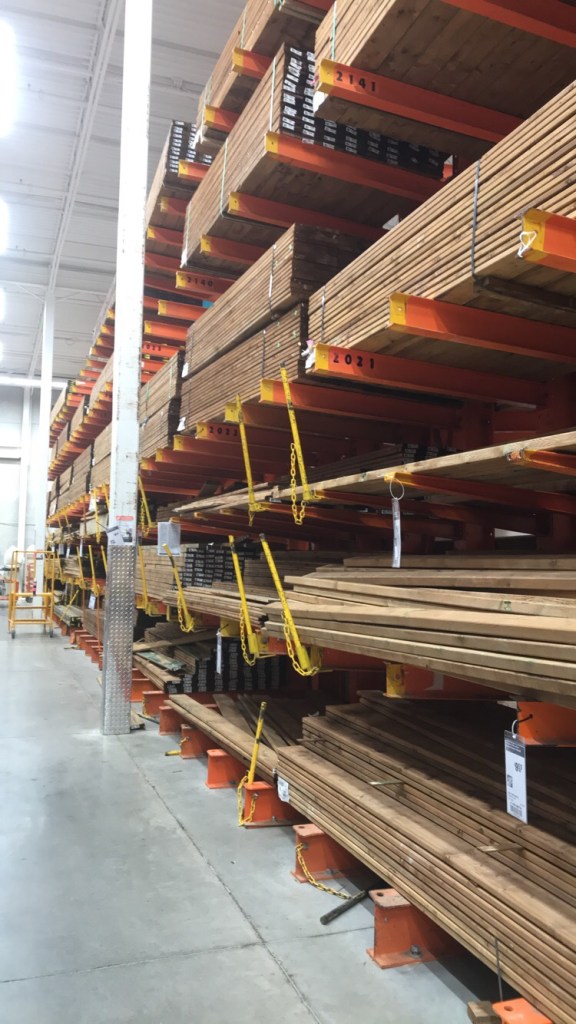
With list in tow, I hit up the local Home Depot, Lowes, and Rona, as well as specialty stores like HD Brafasco and independent lumber yards. I even went to Canadian Tire and Home Hardware on occasion. You quickly get to know the layout of each store and will find that some are better than others for certain products and wider selections (like fasteners, wood stain, insulation, flooring, lumber, and plywood). This will vary by city. I visited each location several times, had to really hunt down certain products, and anything I couldn’t find in town I ordered on Amazon (I recommend the trial Prime membership to get quicker and cheaper shipping options as well as access to more products).
Once I started work on the van there were certain supplies I did not have enough of or things I hadn’t anticipated – so hardware store visits are ongoing.
At first this stage was a little daunting as many of the materials were completely new to me, but by the end of this process I felt confident and knowledgeable!
Finally Starting Work On Your Van!
Finally, FINALLY, it was time to start converting my van! With all of the unexpected tolls on my time, this day seemed like it would never come.
The first thing to do was to make my van into a clean slate. Those who buy a new or almost new van won’t need to worry about this step so much. But for me it entailed taking out previous owner aftermarket modifications to the van (roof rack, divider, flooring, cabinet), addressing rust, perfecting and protecting the paint, and reinforcing leaking rubber door seals.
I’ll be addressing this “clean slate” stage of my conversion in my next post. But what I want to mention about starting work on your van is that you should expect the unexpected (Big Brother anyone?). I wasn’t expecting to have to fix the rubber door seals. But I also only learned that doing a leak test (in an effort to prevent future mold in your living space) is a crucial step after starting work on the van – Gnomad Home had just sent out a newsletter on the topic and Into The Mystery 13 mentions this in a couple of YouTube videos, but I hadn’t come across this topic in any of my other research (and I did a lot of research). It is likely that you will be faced with aspects of the build that you hadn’t anticipated until starting your work.
Now, the real fun begins!
Committing to van life is a big decision. Committing to van life is terrifying – as such, I know that it is worth doing. Committing to van life is a lot of work, which will make the finished product the accomplishment that it is. Committing to vanlife has a lot of aspects to it – and some are unexpected!
To recap: picking a name, pinning down insurance, vehicle maintenance, balance with (real?) life, RESEARCH, and getting supplies are all aspects of getting into van life that led up to my build.
The process will invariably differ for everyone, and issues one vanlifer faces may be non-existent for others. But it never hurts to learn all you can. Never stop learning!
This is what my road has looked like so far and I can’t wait to keep the transformation going!
Kat
Copyright © Chronic X-Roads 2020
 Chronic X-Roads